




Why antimicrobial resistance matters
In 2014, the World Health Organization declared antimicrobial resistance (AMR) a global health threat.
Over the past decade, progress has been made in raising awareness and mobilising efforts to combat drug resistance.
However, there is a long road ahead in curbing AMR, with more people dying due to drug-resistant infections than from HIV/AIDS and malaria.
What is antimicrobial
resistance?
What is AMR?
AMR occurs when pathogens such as bacteria, viruses and fungi evolve over time and stop responding to the medicines designed to kill them. Antibiotics, antivirals and antifungals that once cured infections begin to fail. What were once easily treatable illnesses can quickly become life-threatening.

What causes AMR?
Pathogens can become drug-resistant when antimicrobial drugs are misused, underused, or overused – for instance, when a doctor prescribes the wrong anti-infective (misuse), when a patient fails to complete the full course of antibiotics (underuse) or when antibiotics are taken when they are not needed (overuse).

How does AMR develop and spread?
Resistant bacteria grow stronger as they are carried from one host to another. Across healthcare, agriculture and communities, repeated and improper use of antimicrobials allows pathogens to adapt and survive. Over time, these drug-resistant microbes, or 'superbugs', spread beyond borders, making AMR a global challenge.

Why does AMR matter?
If AMR continues to grow, the impact will be felt far beyond hospitals. Routine medical procedures such as dental treatment and minor surgeries will become significantly riskier without effective antimicrobials to prevent and treat infections. Infections will last longer, recovery will be harder, and the burden will fall heavily on the most vulnerable, placing growing strain on patients, families and health systems.

- What is AMR?
What is AMR?
AMR occurs when pathogens such as bacteria, viruses and fungi evolve over time and stop responding to the medicines designed to kill them. Antibiotics, antivirals and antifungals that once cured infections begin to fail. What were once easily treatable illnesses can quickly become life-threatening.
- What causes AMR?
What causes AMR?
Pathogens can become drug-resistant when antimicrobial drugs are misused, underused, or overused – for instance, when a doctor prescribes the wrong anti-infective (misuse), when a patient fails to complete the full course of antibiotics (underuse) or when antibiotics are taken when they are not needed (overuse).
- How does AMR develop and spread?
How does AMR develop and spread?
Resistant bacteria grow stronger as they are carried from one host to another. Across healthcare, agriculture and communities, repeated and improper use of antimicrobials allows pathogens to adapt and survive. Over time, these drug-resistant microbes, or 'superbugs', spread beyond borders, making AMR a global challenge.
- Why does AMR matter?
Why does AMR matter?
If AMR continues to grow, the impact will be felt far beyond hospitals. Routine medical procedures such as dental treatment and minor surgeries will become significantly riskier without effective antimicrobials to prevent and treat infections. Infections will last longer, recovery will be harder, and the burden will fall heavily on the most vulnerable, placing growing strain on patients, families and health systems.
AMR doesn’t just threaten infection control. It undermines modern medicine as we know it.
Cancer treatments, surgeries and other innovative therapies rely on effective antibiotics to prevent and manage secondary infections. Without them, many of today’s medical advances lose their power.
How big is
the problem?
Drug resistance is not a minor problem – it claims lives on a scale that demands urgent attention.
In 2021
1.1 million people died of AMR globally
The annual AMR death rate is projected to increase by more than two-thirds.

By 2050
1.9 million people will die of AMR each year
Drug resistance impacts every region and income group worldwide, but its causes and effects are intensified by poverty and inequality, hitting low- and middle-income countries (LMICs) the hardest.
Over 80% of global deaths related to AMR occur in LMICs.
Source: Antimicrobial resistance, equity and justice in low- and middle-income countries: an intersectional critical interpretive synthesis, 2025.AMR Attributable Deaths per 100k (2019)
AMR will also severely affect the global economy, cutting USD 1.7 trillion from global economic output by 2050.
However, the situation is far from hopeless. Better healthcare for severe infections and improved access to antibiotics can prevent unnecessary deaths.
Investing just USD 63 billion a year in access and innovation could save lives worldwide and boost the economy by USD 906 billion.
92 million lives could be saved through these interventions, many of them in sub-Saharan Africa and South Asia.
With the stakes so high, how do we begin turning the tide on AMR?
How the Access to Medicine Foundation is turning evidence into action on AMR
“Those at the highest risk of contracting drug-resistant infections are the very people who face the greatest barriers to accessing lifesaving antibiotics. We cannot accept this status quo – nor a future in which preventable AMR deaths continue to rise when solutions are within reach.”
Jayasree K. Iyer, CEO, Access to Medicine FoundationWhile the AMR crisis requires joint action by both the public and private sectors, real progress will depend on decisive action from the companies that develop, manufacture and sell lifesaving antimicrobials.
Since 2017, the Access to Medicine Foundation has worked to shine a light on the behaviour of the most influential industry players in the AMR space, challenging them to respond to the growing threat of drug-resistant infections.
By tracking the industry's changing dynamics and pinpointing opportunities for action, we are charting an evidence-based path forward.




The AMR Benchmark:
Assessing real-world progress against drug resistance
The Benchmark evaluates pharmaceutical companies engaged in AMR, spotlighting both best practices and concrete opportunities to strengthen the industry's response to drug-resistant infections.
The fourth edition, published in March 2026, focuses on the 25 most influential players in the field today and their efforts to confront this urgent global crisis:
Seven large research-based pharma companies
Large firms that develop, manufacture and commercialise new medicines.
- GSK plc
- Merck & Co, Inc
- Otsuka Pharmaceutical Co, Ltd
- Johnson & Johnson
- Pfizer Inc
- Sanofi
- Shionogi & Co, Ltd
Ten generic medicine manufacturers
Companies that produce off-patent versions of branded drugs and medicines.
- Abbott Laboratories Ltd
- Alkem Laboratories Ltd
- Aurobindo Pharma Ltd
- Cipla Ltd
- Fresenius Kabi AG
- Hikma Pharmaceuticals plc
- Sandoz
- Sun Pharmaceutical Industries Ltd
- Teva Pharmaceutical Industries Ltd
- Viatris Inc
Eight small- and medium-sized enterprises (SMEs)*
Also called biotechs, SMEs have become leaders in antibiotic and antifungal product development and account for a significant proportion of early-stage anti-infective projects.
*Nine SMEs were originally part of the company scope for the 2026 AMR Benchmark Methodology. However, in January 2026, Pulmocide announced the termination of its Phase II trial for opelconazole. This was the company's sole pipeline project analysed, leading to Pulmocide's removal from the 2026 AMR Benchmark Report. As such, eight SMEs are included in the final assessment.- Basilea Pharmaceutica AG
- BioVersys AG
- Evopoint Biosciencs Co, Ltd
- F2G Ltd
- Innoviva Specialty Therapeutics
- Iterum Therapeutics plc
- TenNor Therapeutics Ltd
- Venatorx Pharmaceuticals, Inc
- Seven large research-based pharma companies
Seven large research-based pharma companies
Large firms that develop, manufacture and commercialise new medicines.
- Ten generic medicine manufacturers
Ten generic medicine manufacturers
Companies that produce off-patent versions of branded drugs and medicines.
- Eight small- and medium-sized enterprises (SMEs)*
Eight small- and medium-sized enterprises (SMEs)*
Also called biotechs, SMEs have become leaders in antibiotic and antifungal product development and account for a significant proportion of early-stage anti-infective projects.
*Nine SMEs were originally part of the company scope for the 2026 AMR Benchmark Methodology. However, in January 2026, Pulmocide announced the termination of its Phase II trial for opelconazole. This was the company's sole pipeline project analysed, leading to Pulmocide's removal from the 2026 AMR Benchmark Report. As such, eight SMEs are included in the final assessment.
- GSK plc
- Merck & Co, Inc
- Otsuka Pharmaceutical Co, Ltd
- Johnson & Johnson
- Pfizer Inc
- Sanofi
- Shionogi & Co, Ltd
- Abbott Laboratories Ltd
- Alkem Laboratories Ltd
- Aurobindo Pharma Ltd
- Cipla Ltd
- Fresenius Kabi AG
- Hikma Pharmaceuticals plc
- Sandoz
- Sun Pharmaceutical Industries Ltd
- Teva Pharmaceutical Industries Ltd
- Viatris Inc
- Basilea Pharmaceutica AG
- BioVersys AG
- Evopoint Biosciencs Co, Ltd
- F2G Ltd
- Innoviva Specialty Therapeutics
- Iterum Therapeutics plc
- TenNor Therapeutics Ltd
- Venatorx Pharmaceuticals, Inc
What does the 2026 AMR Benchmark reveal?
Thin pipeline, high stakes: How are companies planning to expand access to vital, new antimicrobials?
The antimicrobial pipeline continues to shrink with a 35% decrease in the number of projects from large research-based pharmaceutical companies since the 2021 AMR Benchmark.

Building a better antibiotic arsenal for children
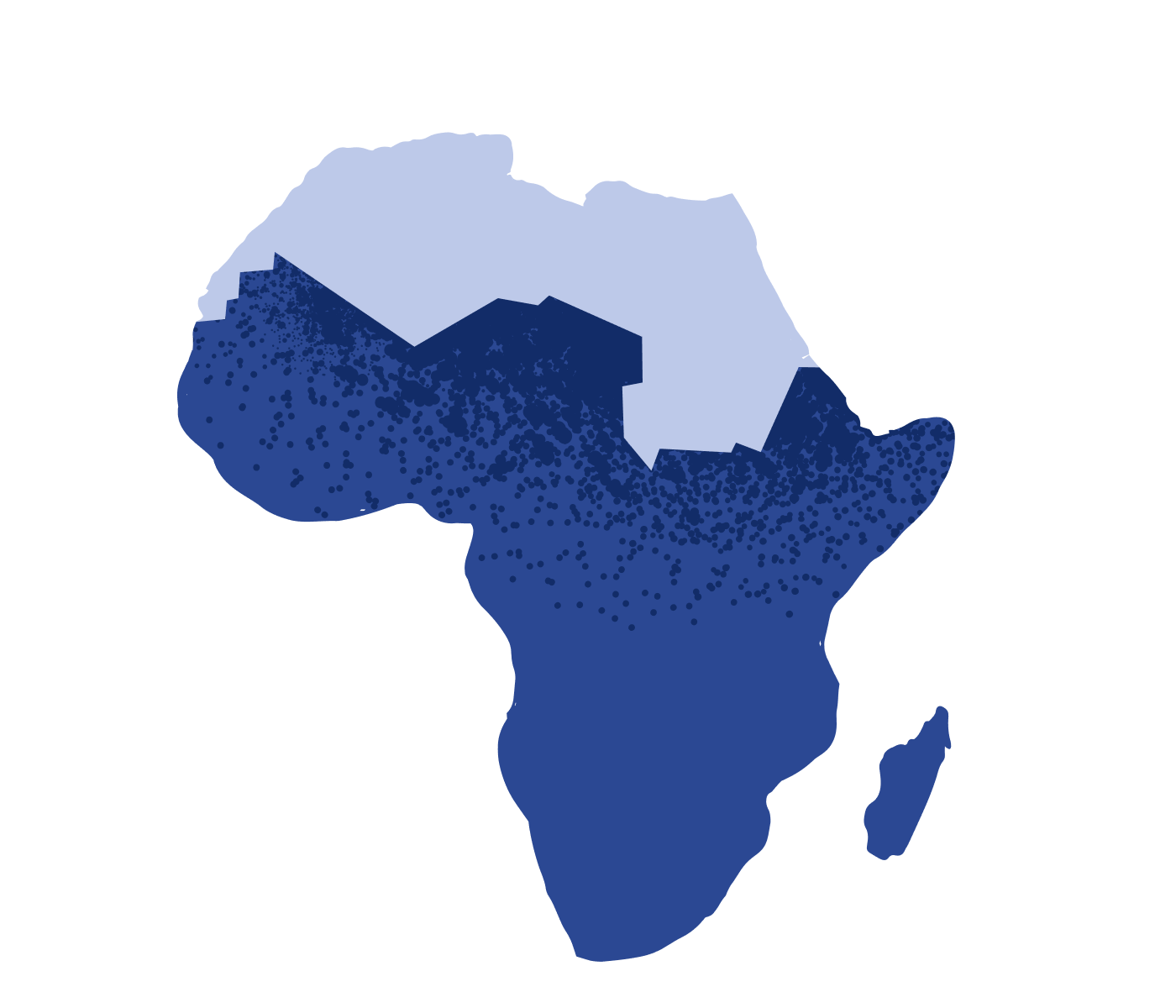
Only 14% of antimicrobial pipeline candidates belonging to Benchmark companies are developed for children under five. And in 17 sub-Saharan African countries, no child-friendly versions of any of the products assessed have been registered by any of the Benchmark companies.
Some companies take stronger action to curb AMR at manufacturing sites across their supply chains
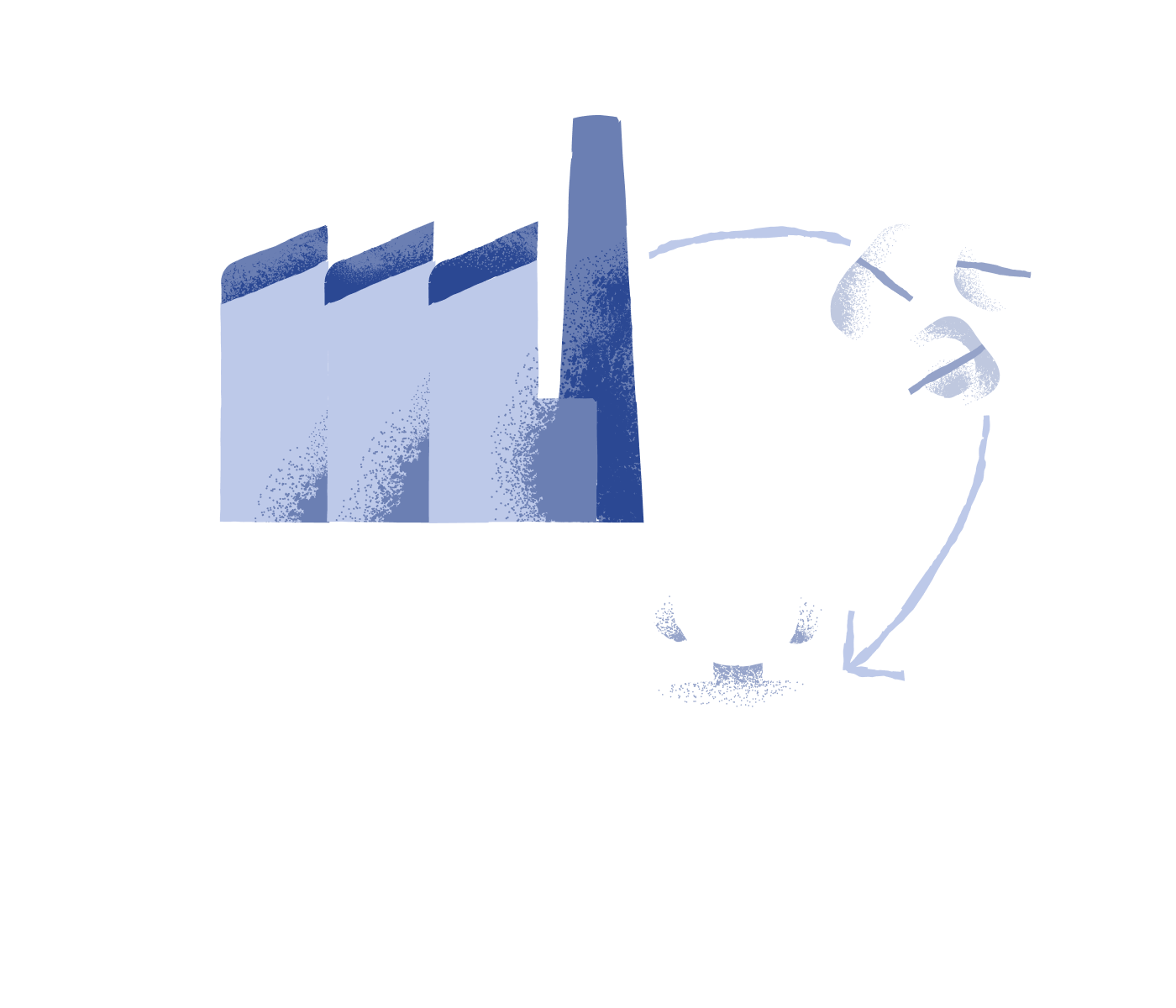
Eight of the 17 companies, up from four in the 2021 AMR Benchmark, now report on their suppliers’ compliance with safe waste limits.

Generic producers step up in tracking how many patients in LMICs receive lifesaving antimicrobials
More than half (six out of ten) companies are doing this across almost all their antibiotic and antifungal products analysed.
- Key finding 1 – R&D pipelineKey finding 1 – R&D pipeline
Thin pipeline, high stakes: How are companies planning to expand access to vital, new antimicrobials?
The antimicrobial pipeline continues to shrink with a 35% decrease in the number of projects from large research-based pharmaceutical companies since the 2021 AMR Benchmark.
- Key finding 2 – PaediatricsKey finding 2 – Paediatrics
Building a better antibiotic arsenal for children
Only 14% of antimicrobial pipeline candidates belonging to Benchmark companies are developed for children under five. And in 17 sub-Saharan African countries, no child-friendly versions of any of the products assessed have been registered by any of the Benchmark companies.
- Key finding 3 – Responsible manufacturingKey finding 3 – Responsible manufacturing
Some companies take stronger action to curb AMR at manufacturing sites across their supply chains
Eight of the 17 companies, up from four in the 2021 AMR Benchmark, now report on their suppliers’ compliance with safe waste limits.
- Key finding 4 – Patient reachKey finding 4 – Patient reach
Generic producers step up in tracking how many patients in LMICs receive lifesaving antimicrobials
More than half (six out of ten) companies are doing this across almost all their antibiotic and antifungal products analysed.